
Foreword
Over the past month, the NTMA 2025 Annual Report has been released and, in this edition of the newsletter, we are pleased to share the latest ISIF Economic Impact Assessment, both of which demonstrate how and where ISIF is delivering on its double bottom line mandate to invest on a commercial basis in a manner designed to support economic activity and employment in Ireland.
Since inception to the end of 2025, ISIF has returned investment gains of €3.6 billion from its Discretionary Portfolio. These commercial returns are delivered in the context of ISIF investing across four key strategic themes: Climate and Energy Transition, Scaling Businesses, Food, Agriculture and Marine, and Housing, Infrastructure and Sustainable Development.
During 2025, ISIF completed 22 investments totalling more than €1.4 billion and that momentum has continued into 2026, with a further €492 million committed across 11 investments between January and May.
Our housing initiative reached a significant milestone during 2025, supporting the delivery of approximately 27,000 new homes and 2,500 student accommodation beds, surpassing the original target of 25,000 new homes by 2030. Building on this momentum, ISIF recently announced four new housing investments totalling €250 million to further increase housing supply across Ireland and increased its new homes target to 50,000 by 2030.
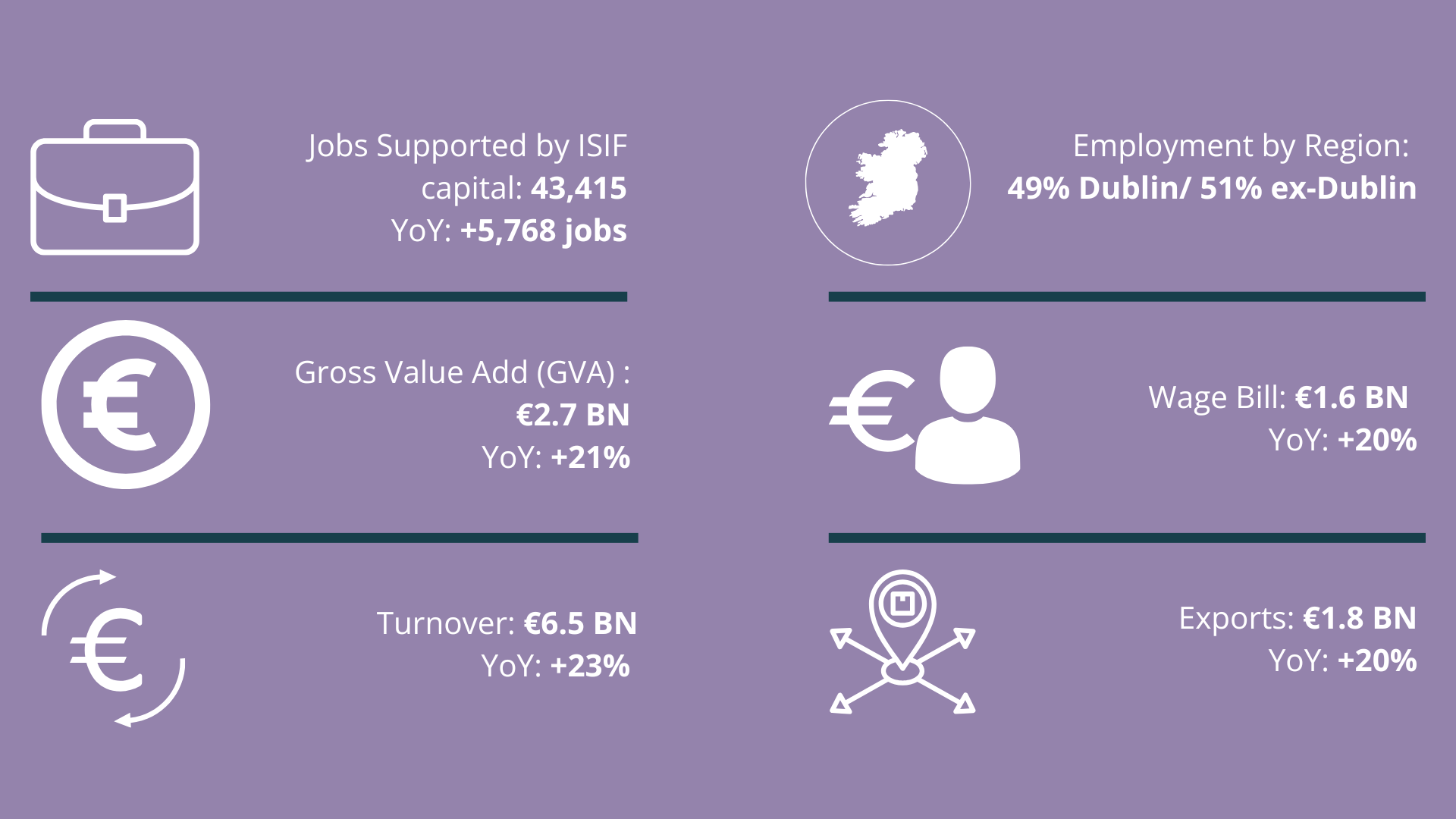
In terms of ISIF’s economic impact our latest Economic Impact Assessment, covering FY2025, demonstrates the continued significant contribution of ISIF-backed businesses and projects to the Irish economy including supporting 27,836 jobs - increasing to 43,415 jobs when indirect employment effects are included.
ISIF’s Revised Investment Strategy
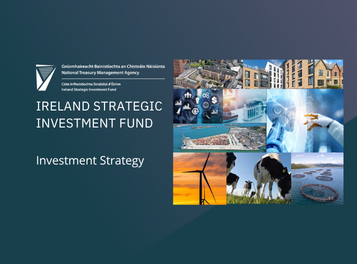
Earlier this year ISIF published its revised Investment Strategy, setting out a clear framework for how the Fund will deploy capital into the years ahead. The strategy reaffirms ISIF's role as a trusted, patient and adaptable investor, focused on delivering commercial returns while supporting economic activity and employment in Ireland. It is centred on four core investment themes: Climate and Energy Transition; Scaling Businesses; Food, Agriculture and Marine; and Housing, Infrastructure and Sustainable Development. These themes reflect areas where long-term commercial investment can help address significant economic and societal challenges, while supporting sustainable growth, resilience and competitiveness across Ireland.
The strategy highlights ISIF's continued focus on scaling businesses, supporting Ireland's ambition to become a world leader in sustainable food systems, advancing the transition to a net zero economy, enhancing national infrastructure and enabling sustainable development across cities and regions. Importantly, it also preserves ISIF's ability to respond quickly and effectively to emerging opportunities and national priorities through National and Compelling Investments, ensuring the Fund can continue to deliver impact where it is needed most.
Our mandate delivery is dependent on continued collaboration with our investees, co-investors, stakeholders and colleagues. As we look towards the remainder of 2026, ISIF is well positioned to build on the progress achieved to date and to develop additional and innovative approaches to future delivery.